How Mike Wolfe Turns Preservation, Storytelling, and Community Vision into Lasting Change
The Mike Wolfe Passion Project is about far more than antiques, television fame, or vintage Americana. It represents a broader mission centered on historic preservation, small-town revitalization, adaptive reuse, and community storytelling.
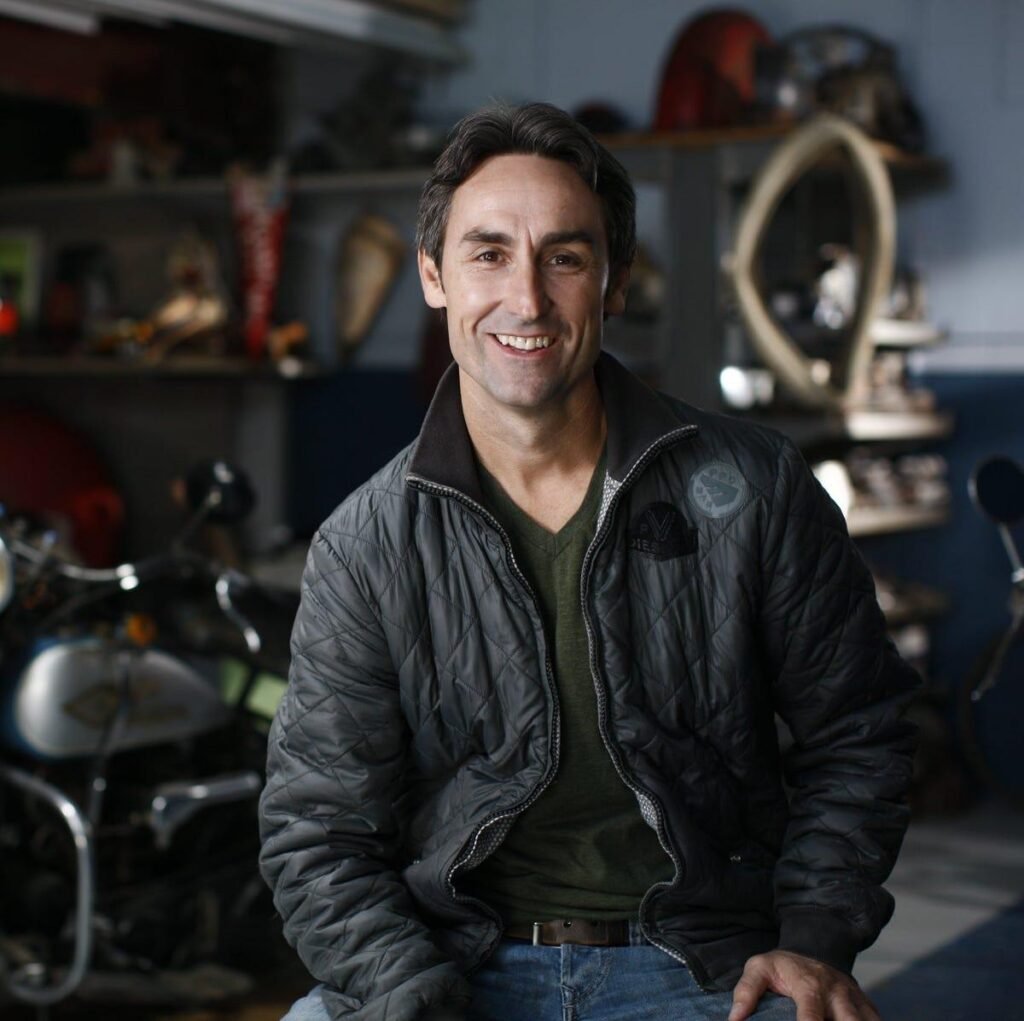
Mike Wolfe became widely recognized through American Pickers, but his long-term work shows a deeper interest in protecting the places, buildings, and cultural memories that often disappear in the rush toward newer development. Through restored spaces, hospitality projects, and preservation-focused businesses, he has built a vision that connects America’s past with its future.
At the heart of the Mike Wolfe Passion Project is a simple but powerful idea: old places still matter. A neglected building can become a gathering place. A former dealership can become a cultural destination. A forgotten small town can regain attention, visitors, business activity, and pride.
What Is the Mike Wolfe Passion Project?
The Mike Wolfe Passion Project refers to Wolfe’s ongoing effort to preserve historic buildings, revive meaningful spaces, and celebrate the character of small-town America. His work includes:
| Area | What It Represents |
|---|---|
| Historic Preservation | Protecting old buildings with cultural and architectural value |
| Adaptive Reuse | Giving older spaces a new purpose without erasing their identity |
| Community Revitalization | Encouraging local tourism, business activity, and pride |
| Storytelling | Preserving the stories attached to buildings, roads, objects, and towns |
| Small-Town Advocacy | Highlighting places often overlooked by mainstream development |
The project is not limited to one single building or one town. Instead, it is a larger philosophy visible in Wolfe’s restoration work in Columbia, Tennessee, his involvement with Columbia Motor Alley, his Two Lanes Guesthouse, and his support for Nashville’s Big Back Yard.
The Meaning Behind the Mike Wolfe Passion Project
Mike Wolfe’s admiration for old America has always been clear. His television career was built around discovering forgotten objects and explaining why they mattered. Yet the Mike Wolfe Passion Project expands that same instinct beyond collectibles and into the built environment.
Instead of seeing a deteriorated property as disposable, Wolfe often sees a chance to restore purpose. His projects suggest that buildings are more than wood, brick, steel, and signage. They carry memories. They tell us how people once traveled, worked, gathered, and built communities.
This is why the project resonates with so many people. It combines:
- Nostalgia without becoming trapped in the past
- Preservation without resisting all change
- Business development without erasing local identity
- Storytelling without becoming purely sentimental
The result is a preservation style that feels practical, emotional, and deeply American.
Why Historic Preservation Matters
Historic preservation plays an important role in community life because it protects spaces that define local identity. Google’s people-first content guidance encourages creators to explain topics with depth and originality; in this case, that means understanding why preservation is more than visual beauty.
Key Benefits of Historic Preservation
| Benefit | Why It Matters |
|---|---|
| Cultural Identity | Historic buildings help towns retain a distinct character |
| Tourism Growth | Preserved places often attract visitors looking for authentic experiences |
| Economic Activity | Restored areas can support restaurants, shops, rentals, and events |
| Sustainability | Reusing old structures can reduce waste compared with demolition |
| Community Pride | Residents often feel stronger attachment to places that honor their history |
The Mike Wolfe Passion Project connects strongly with all of these benefits. It focuses on preserving buildings in ways that allow them to remain useful and relevant.
Saving Buildings That Still Have a Story to Tell
One of the most compelling aspects of the Mike Wolfe Passion Project is its emphasis on buildings that might otherwise be ignored. Wolfe has shown particular interest in commercial structures, transportation-related buildings, dealerships, and working-class spaces with a lived-in history.
These are not always grand mansions or famous monuments. Sometimes they are:
- A former gas station
- A dealership
- A downtown loft
- A storefront
- A workshop
- A modest commercial building that once served everyday people
That focus matters because ordinary buildings often contain the most relatable history. They reflect the rhythm of daily life, local labor, travel culture, and small business.

Blending Authenticity with Modern Use
Preservation succeeds when restored places are both respected and usable. The Mike Wolfe Passion Project is effective because it does not freeze buildings in time. Instead, it often gives them a second life.
A restored building may become:
| Former Use | New Use |
|---|---|
| Old dealership | Retail or event-oriented destination |
| Historic guest space | Boutique lodging |
| Service station | Community-centered hospitality venue |
| Vintage commercial property | Business or public gathering place |
This balance between authenticity and relevance is essential. A building preserved only as a visual relic may be admired, but a building reused thoughtfully becomes part of daily life again.
Columbia, Tennessee: The Center of Wolfe’s Revival Vision
Columbia, Tennessee, has become one of the clearest locations associated with Wolfe’s preservation work. The city is frequently referenced in connection with his hospitality, retail, and restoration efforts. Columbia Motor Alley, in particular, reflects his interest in blending transportation history with community appeal.
Columbia’s appeal fits the broader theme of the Mike Wolfe Passion Project:
- Historic downtown character
- Independent businesses
- Preservation potential
- Tourism opportunity
- A sense of place that cannot be replicated by generic development
Rather than focusing only on major urban markets, Wolfe’s approach places value on smaller communities with cultural depth.
Restoring the Historic Esso Station
One of the most talked-about examples connected to Wolfe’s passion project is the restoration of an old Esso service station in Columbia, Tennessee. Coverage of the project described it as a transformation of a once-neglected site into a visually striking, socially useful space designed for gathering and hospitality.
Why the Esso Station Matters
| Feature | Significance |
|---|---|
| Historic character | Preserves the visual language of America’s roadside past |
| Adaptive reuse | Turns an old service station into a modern gathering destination |
| Community focus | Creates a place where locals and visitors can spend time |
| Design storytelling | Keeps the site memorable rather than generic |
The Esso restoration is a strong example of Wolfe’s broader philosophy: keep the soul of the building while making it useful again.
Columbia Motor Alley and the Power of Adaptive Reuse
Columbia Motor Alley is another central example of the Mike Wolfe preservation mindset. According to Antique Archaeology, the project brings together Wolfe’s appreciation for transportation history and historic preservation inside a 1947 Chevrolet dealership.
Why Columbia Motor Alley Stands Out
| Element | Why It Is Important |
|---|---|
| Automotive heritage | Connects to American road culture and regional identity |
| Architectural reuse | Preserves a historic dealership rather than replacing it |
| Tourism value | Gives visitors a reason to engage with Columbia’s story |
| Brand consistency | Aligns with Wolfe’s vintage Americana identity |
Columbia Motor Alley demonstrates how a restored building can function as more than real estate. It can become a storytelling platform, a brand expression, and a community asset all at once.
Two Lanes Guesthouse and Storytelling Through Space
The Two Lanes Guesthouse in Columbia extends Wolfe’s passion project into hospitality. Official materials describe it as a unique downtown loft inspired by his backroads lifestyle and filled with vintage objects connected to his travels and collecting history.
Rather than creating a generic vacation rental, the guesthouse presents a curated environment rooted in personality, place, and narrative. This makes it a perfect extension of the Mike Wolfe Passion Project.
What Makes Two Lanes Guesthouse Relevant
| Aspect | Value |
|---|---|
| Historic setting | Supports preservation of downtown spaces |
| Experiential design | Makes visitors feel immersed in a story |
| Local tourism | Encourages overnight stays and spending in Columbia |
| Brand extension | Connects Wolfe’s preservation message with hospitality |
The guesthouse shows how preservation can become an experience, not just a principle.
Nashville’s Big Back Yard and the Small-Town Dream
Another meaningful part of Wolfe’s broader preservation and community work is Nashville’s Big Back Yard. The project promotes small towns located between Nashville and Muscle Shoals, highlighting rural beauty, quality of life, and local opportunity. Wolfe helped support the initiative through storytelling and visibility.
What Nashville’s Big Back Yard Represents
| Goal | Meaning |
|---|---|
| Tourism promotion | Encourages visits to lesser-known towns |
| Relocation appeal | Highlights alternatives to dense urban living |
| Remote work potential | Connects with changing lifestyle preferences |
| Local pride | Celebrates overlooked communities |
This initiative fits naturally with the Mike Wolfe Passion Project because both emphasize the value of places that are often underestimated.
Why the Mike Wolfe Passion Project Resonates Today
The popularity of the Mike Wolfe Passion Project comes from its timing as much as its message. Across the United States, many people are reconsidering what makes a place meaningful. Interest in walkable downtowns, heritage spaces, local businesses, and authentic travel experiences has grown stronger in recent years.
Wolfe’s work taps into several emotions at once:
- A longing for permanence in a fast-changing world
- Appreciation for craftsmanship
- Concern about losing local identity
- Admiration for thoughtful restoration
- Interest in towns that still feel personal
His project appeals not only to fans of American Pickers, but also to people interested in architecture, tourism, Americana, community planning, and cultural storytelling.
The Cultural and Economic Impact of Preservation
Historic preservation can influence both culture and commerce. When restored buildings become active parts of a community, they can contribute to:
| Impact Area | Potential Result |
|---|---|
| Tourism | More visitors, photos, social sharing, and local discovery |
| Hospitality | Guesthouses, restaurants, bars, and event spaces |
| Retail | Support for local shops and destination businesses |
| Place Branding | Stronger town identity |
| Civic Energy | Increased enthusiasm around downtown renewal |
The Mike Wolfe Passion Project works because it treats preservation as a living investment, not as an abstract idea.
What Makes Wolfe’s Approach Different?
Many restoration projects focus mainly on architecture. Wolfe’s work feels different because it combines history, business, design, and emotional storytelling.
Wolfe’s Approach at a Glance
| Traditional Restoration | Mike Wolfe Passion Project |
|---|---|
| Preserves a structure | Preserves a story |
| Focuses on appearance | Focuses on use and meaning |
| May feel static | Feels interactive and lived-in |
| Often isolated | Connected to community growth |
| Built around nostalgia | Built around future relevance |
This combination is what gives the project such strong public appeal.
Lessons Communities Can Learn from the Mike Wolfe Passion Project
The project offers several useful lessons for towns, property owners, and preservation advocates.
1. Old Buildings Can Be Assets
A structure that looks outdated may actually be a town’s strongest visual identity marker.
2. Preservation and Business Can Work Together
Historic spaces can support cafes, rentals, retail, galleries, and community venues when restored carefully.
3. Storytelling Increases Value
People connect more strongly with a building when they understand its past and purpose.
4. Small Towns Need Distinctiveness
Generic development can make places feel interchangeable. Preservation protects uniqueness.
5. Local Pride Matters
Projects succeed more deeply when residents feel connected to the outcome.
FAQs
What is the Mike Wolfe Passion Project?
The Mike Wolfe Passion Project refers to his ongoing work in historic preservation, restoration, small-town revitalization, and storytelling through meaningful spaces and buildings.
Why is Mike Wolfe interested in historic preservation?
Mike Wolfe has consistently emphasized the importance of preserving old places, objects, and stories that reflect American culture and community identity.
Where is Mike Wolfe doing much of his restoration work?
A major focus of his public preservation work is Columbia, Tennessee, where projects such as Columbia Motor Alley and Two Lanes Guesthouse are located.
What is Columbia Motor Alley?
Columbia Motor Alley is a preservation-focused project tied to a 1947 Chevrolet dealership in Columbia, Tennessee, combining transportation history with adaptive reuse.
What is Nashville’s Big Back Yard?
Nashville’s Big Back Yard is an initiative promoting small towns between Nashville and Muscle Shoals, with attention to tourism, community identity, and quality of life.
Why is the Mike Wolfe Passion Project important?
It is important because it shows how historic preservation can strengthen local identity, encourage tourism, support business activity, and preserve cultural memory.
Can this topic rank well on Google in the USA?
Yes, it has potential when published as original, well-structured, people-first content with strong topical depth, proper metadata, helpful formatting, and internal linking. Rankings still depend on competition, site authority, backlinks, and overall website quality.
Should FAQ Schema be added in Rank Math?
You can add FAQ content with Rank Math, but Google currently limits FAQ rich-result visibility mainly to authoritative government and health sites. The FAQ section can still improve usability and topical coverage.